
Many of us know that Type 2 diabetes affects blood sugar levels. But did you know it could also have a significant impact on your brain health — particularly as you get older?
At AmbaCare Solutions, we want to help you understand the connection between diabetes and dementia, and more importantly, what you can do about it.

The Link Between Diabetes and Dementia
Research shows that people living with Type 2 diabetes in midlife have an increased risk of developing dementia later in life. It’s not a certainty — but it is something worth taking seriously.
So why does this happen? It comes down to a few key processes happening inside your body.
What High Blood Sugar Does to Your Brain
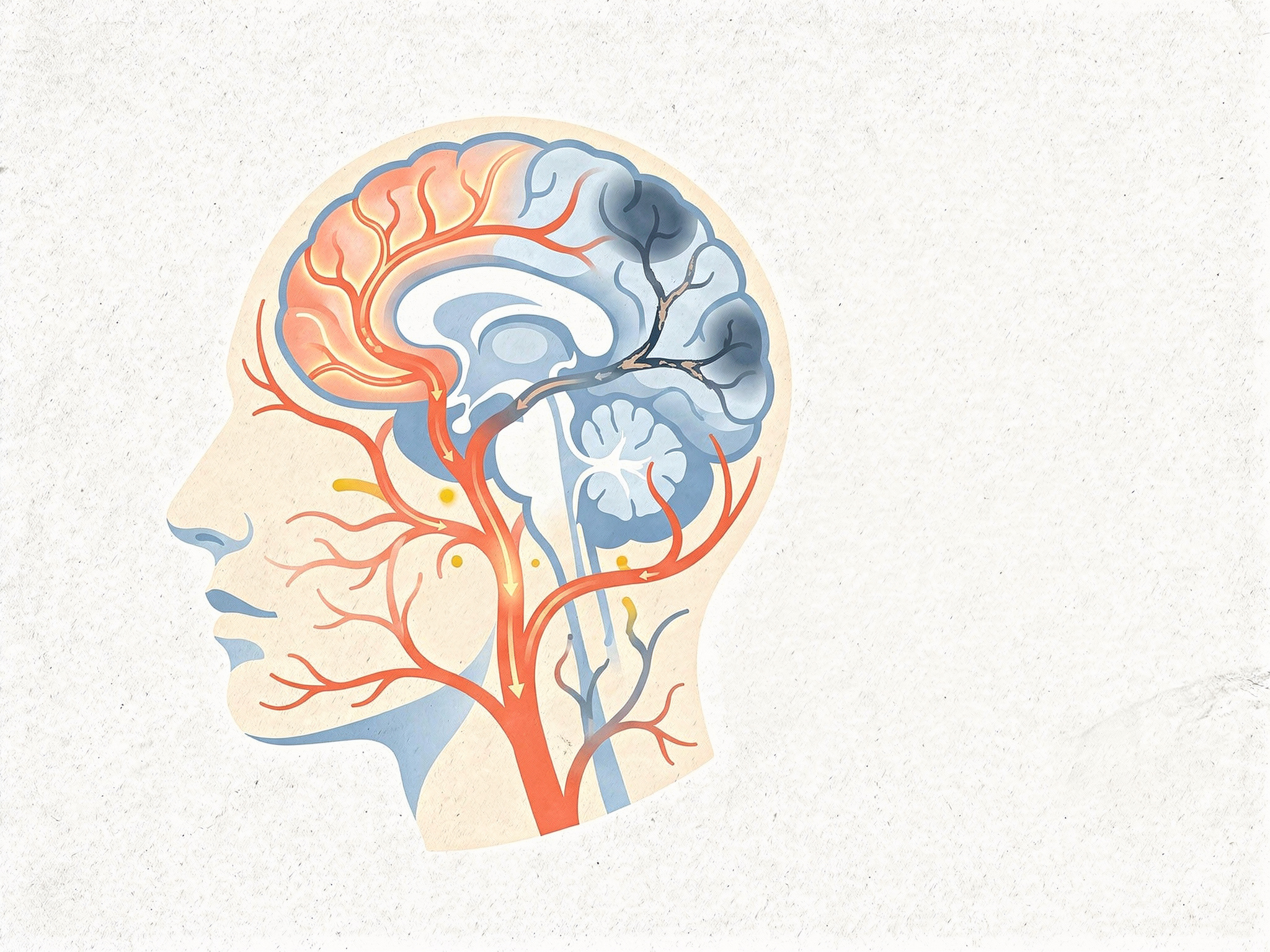
When blood sugar stays too high for too long, it begins to damage blood vessels throughout the body — including the delicate ones inside your brain.
Your brain is one of the most energy-hungry organs you have. It relies on a healthy network of blood vessels to deliver a constant supply of oxygen and nutrients. When those vessels become damaged, the brain simply doesn’t get what it needs to function at its best.
Over time, this can quietly contribute to cognitive decline.
The Problem With Insulin Resistance
Type 2 diabetes can also affect the brain in a different way. In many people with the condition, brain cells stop responding properly to insulin — the hormone responsible for regulating blood sugar levels.
This is known as insulin resistance, and it affects all the cells in the body. But it can alter the way your brain processes and uses energy, disrupting normal brain function in ways that scientists are still trying to fully understand.
Think of it like a door with a lock that no longer works. The key — insulin — is there, but the door simply won’t open.
Inflammation: The Hidden Damage
Diabetes also promotes inflammation throughout the body. And when that inflammation reaches the brain, it can damage brain cells directly — making it harder for them to communicate, repair themselves, and work properly.
This is one of the reasons why managing diabetes well isn’t just good for your body. It’s good for your brain too.

The Good News
Here’s what we really want you to take away from this: small, consistent changes to your lifestyle can make a genuine difference.
You don’t need to overhaul your entire life overnight. The following habits have been shown to reduce the risk of developing Type 2 diabetes — and in doing so, help protect your brain health for the future:
- Eat a healthy, balanced diet — plenty of vegetables, wholegrains, and lean protein, with less processed food and added sugar.
- Stay physically active — even a daily walk counts. Movement helps your body manage blood sugar more effectively.
- Maintain a healthy weight — losing even a small amount of weight if you’re carrying extra can have a meaningful impact.
- Stop smoking — smoking damages blood vessels and increases inflammation, compounding the risks significantly.
- Drink alcohol sensibly — keeping within recommended limits reduces strain on the body and brain alike.
Watch Our New Video
Could Type 2 Diabetes Affect Your Brain?
We have just released a brand new health awareness video exploring exactly this topic — the link between Type 2 diabetes and the risk of dementia, and the simple steps you can take to protect your brain health today. The video follows real everyday stories — people just like you and your loved ones — and shows in a clear, honest and compassionate way how our daily choices can shape our brain health for years to come. We hope it makes you stop and think. We hope it makes you feel empowered. And we hope it inspires just one small change that your future brain will thank you for.
Your Brain Health Is Worth Protecting
The choices you make today — what you eat, how much you move, whether you smoke — are quietly shaping your brain health years from now.
That can feel like a lot of pressure. But it can also feel like an opportunity.
At AmbaCare Solutions, we believe that prevention is one of the most powerful tools we have in the fight against dementia. And it starts with understanding — exactly what you’ve just done by reading this.
Want to learn more about protecting your brain health? Get in touch with the AmbaCare Solutions team — we’re here to help.