
Did you know that a serious head injury can increase your risk of developing dementia later in life? It’s a sobering fact, but the good news is that there are practical steps you can take to reduce your risk of brain injury.
You can’t prevent every accident — life happens. But you can significantly lower your chances of suffering a severe bump on the head with some simple, everyday precautions.

Wear a Helmet
Whether you’re cycling, skateboarding, horse riding or playing contact sports, a helmet is your brain’s best defence. It might not feel cool, but it could save your life. Make it a habit: helmet on, every time and encourage your family to do the same.
Make Your Home Safer
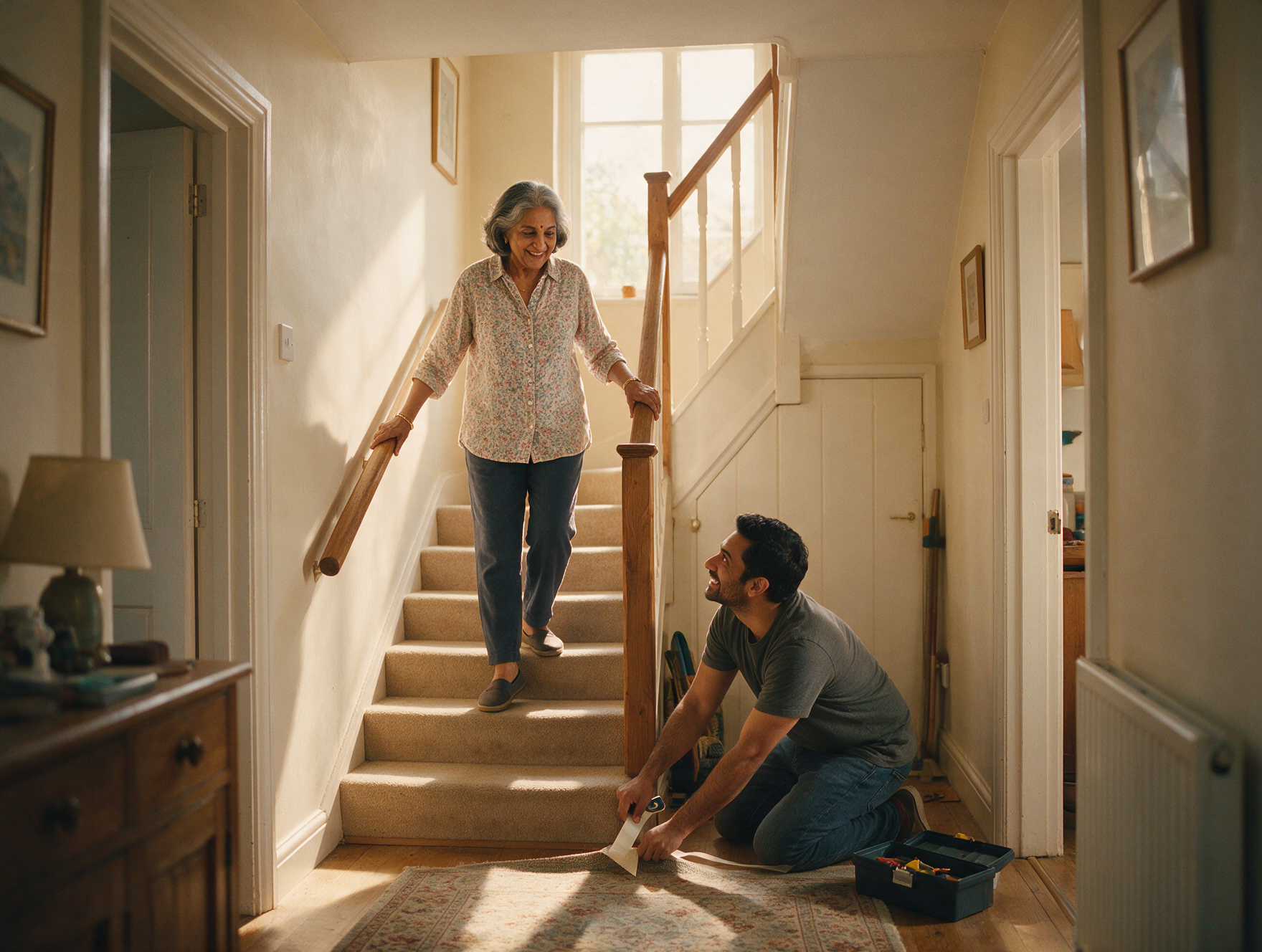
Falls are one of the most common causes of head injury, especially as we get older. Take a few hours to head-proof your home:
- Fix loose rugs and trailing cables that could trip you up
- Install grab rails on stairs and in the bathroom
- Make sure stairs and landings are well lit
- Keep frequently used items at eye level — no climbing or bending unnecessarily
- Wear proper footwear indoors, not socks on hard floors
A few small changes can make a real difference.
Protect Yourself in the Car
Seatbelts save lives. Every journey, every passenger, every time. It’s the law, but more importantly, it works. If you’re a parent, make sure children are in appropriate car seats or booster seats, properly fitted and fastened.
Stay Safe at Work and Play
Different activities carry different risks. If you work on a construction site, wear your hard hat. If you play sport, follow the safety guidelines — they are there for a reason. Listen to your coaches and managers. They know what protections you need.
Don’t Ignore the Warning Signs
If you do suffer a severe bump to the head, take it seriously. Some symptoms appear straight away; others can develop over hours or even days. Watch out for:
- Confusion or difficulty concentrating
- Vomiting or feeling sick
- A headache that gets worse, not better
- Unusual sleepiness or difficulty staying awake
- Dizziness or loss of balance
- Changes in vision or hearing
If you notice any of these, get medical help. Don’t wait. Don’t assume you’re fine. A quick check-up with your GP or a trip to A&E could make all the difference.

Protect Your Brain Today
Our brains are precious. They shape who we are, how we think, and how we connect with the people we love. Protecting them now — through simple, practical steps — is an investment in your future self.
A head injury today could affect your brain health for decades to come. But with the right precautions, you can stack the odds in your favour.
Protect your brain today. For better brain health tomorrow.
Watch Our Video
Our health awareness video explores the link between head injuries and dementia risk, and the simple, practical steps you can take to protect your brain every day. Watch it, share it with your family, and help the people you love stay safe.